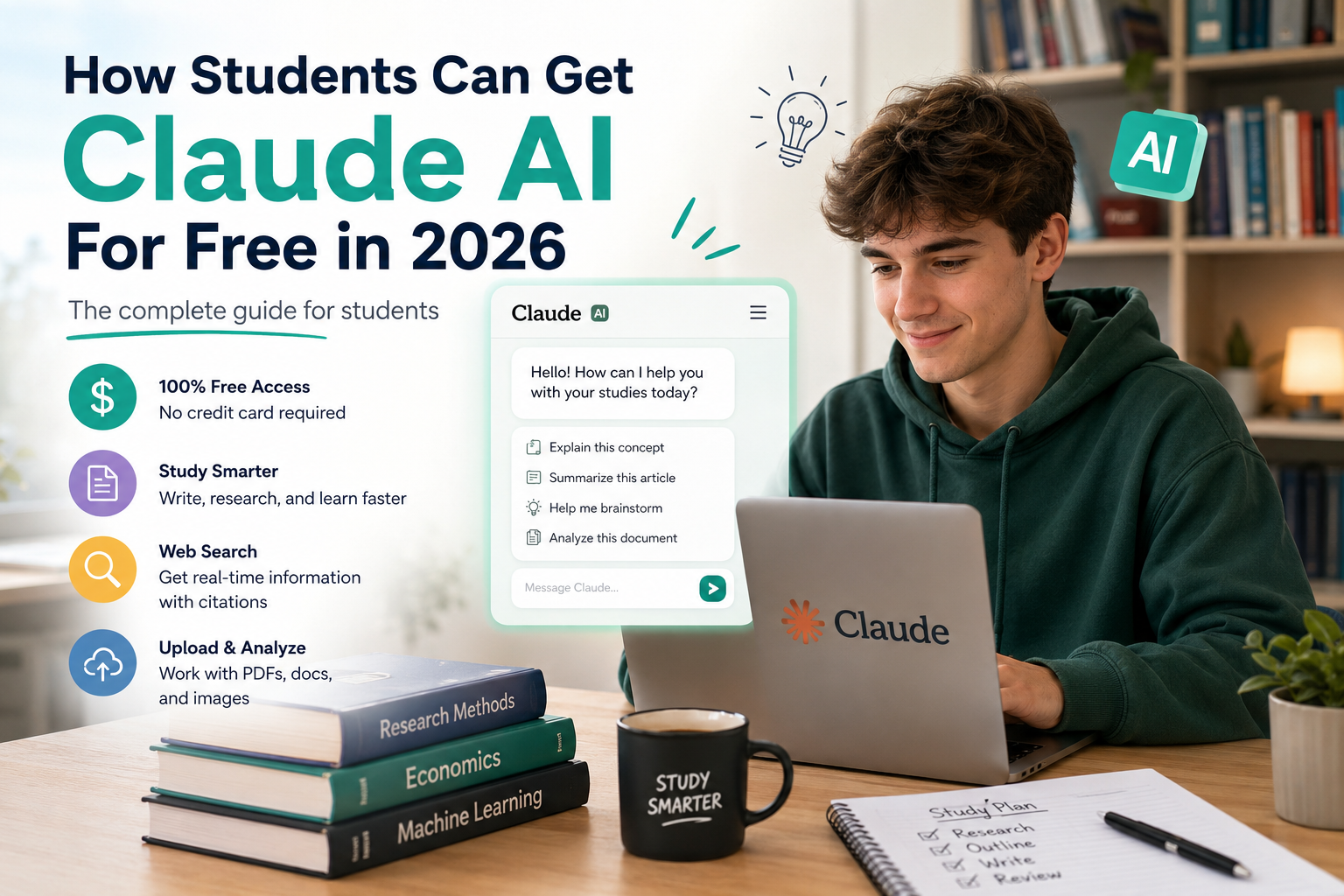
In an increasingly digital academic landscape, Artificial Intelligence (AI) has emerged as a powerful, albeit sometimes controversial, tool for students. Far from being a mere shortcut, AI, when used responsibly and ethically, can significantly enhance learning, research, and writing processes. This article delves into how students can harness the potential of AI to achieve academic excellence, navigate the complexities of AI detection, and uphold the fundamental principles of academic integrity.
The Transformative Power of AI in Education
AI tools offer a myriad of benefits that can revolutionize a student's approach to their studies. From generating initial ideas to refining complex arguments, AI can act as a sophisticated academic assistant.
Enhancing Writing and Research
One of the most immediate applications of AI for students is in academic writing. AI-powered writing assistants can help with:
•Brainstorming and Outlining: Overcoming writer's block by generating ideas, suggesting essay structures, and creating detailed outlines.
•Grammar and Style Correction: Identifying and correcting grammatical errors, improving sentence structure, and suggesting stylistic enhancements to make writing more coherent and professional.
•Summarization: Condensing lengthy articles or research papers into concise summaries, saving valuable time during literature reviews.
•Citation Assistance: Helping to format citations correctly and manage bibliographies, reducing the risk of plagiarism.
For research, AI can be instrumental in:
•Information Retrieval: Quickly sifting through vast amounts of data to find relevant sources and key information.
•Data Analysis: Assisting with the interpretation of complex datasets, identifying patterns, and generating insights for reports and projects.
•Language Translation: Breaking down language barriers by translating academic texts, making global research more accessible.
Personalized Learning and Study Aids
Beyond writing and research, AI can also contribute to a more personalized learning experience:
•Adaptive Learning Platforms: AI can tailor educational content and pace to individual student needs, identifying areas where more focus is required.
•Intelligent Tutoring Systems: Providing instant feedback and explanations, acting as a virtual tutor to clarify difficult concepts.
•Flashcard and Quiz Generators: Creating customized study materials to reinforce learning and prepare for exams.
Navigating AI Detection and Academic Integrity
The rise of AI tools has also brought concerns about academic integrity, leading to the development of AI detection software. While the effectiveness and ethics of these detectors are widely debated, students must understand how to use AI responsibly to avoid accusations of misconduct.
Understanding AI Detection
AI detection tools typically analyze text for patterns, linguistic characteristics, and stylistic consistencies that are common in AI-generated content. These tools are not infallible and can sometimes produce false positives. However, relying solely on AI to produce assignments without critical engagement is a risky endeavor.
Ethical AI Integration: A Framework for Students
To ethically integrate AI into academic work, students should adhere to the following principles:
1.AI as an Assistant, Not a Replacement: Use AI to aid your thinking, writing, and research, but never to replace your own intellectual effort. The final output must always reflect your understanding and critical thought.
2.Transparency and Attribution: If your institution has guidelines on AI use, follow them diligently. When appropriate, acknowledge the use of AI tools, similar to how you would cite other resources.
3.Critical Review and Human Oversight: Always critically review any content generated by AI. Fact-check information, refine arguments, and ensure the language and tone align with your personal voice and academic standards. AI can make errors or produce biased content.
4.Focus on Learning: The primary goal of education is learning. Use AI to deepen your understanding of subjects, not to circumvent the learning process.
5.Originality and Synthesis: AI can provide information, but it's your ability to synthesize, analyze, and present that information in an original way that demonstrates true academic mastery.
Strategies for Responsible AI Use
•Paraphrase and Rephrase: If using AI to generate initial drafts or ideas, always paraphrase and rephrase the content in your own words. This not only helps in avoiding AI detection but also ensures deeper engagement with the material.
•Focus on Higher-Order Thinking: Delegate mundane tasks to AI (like grammar checks or summarization) and dedicate your time to higher-order thinking skills such as critical analysis, synthesis, and original argumentation.
•Combine AI with Personal Insights: Integrate AI-generated content with your unique perspectives, experiences, and research findings to create a truly original piece of work.
The Future of Learning with AI
AI is not a passing fad; it is an integral part of the future of education. By embracing AI as a collaborative tool and understanding its ethical implications, students can unlock new avenues for learning and productivity. The key lies in developing AI literacy – the ability to understand, use, and critically evaluate AI technologies. This skill will be invaluable not only in academic pursuits but also in future careers.
Ultimately, the goal is to leverage AI to become a more effective, efficient, and insightful learner, preparing for a world where human intelligence and artificial intelligence work in synergy.